
Episode 3
J. Cole – The Fall Off Album Discussion
Friday to Friday: J. Cole – The Fall Off Album Discussion.
Releases Discussed
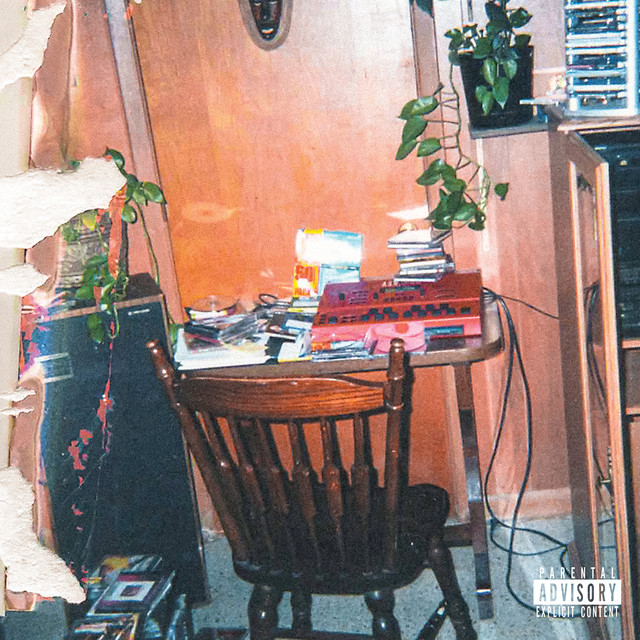
All releases this week
Everything that dropped that week — 1 projects.
★ = discussed
Artists mentioned
Transcript
Speaker-labeled from the episode audio · Jacob, Mat Carrié, Terry V. Labels are auto-derived from the captions and may not be exact.
This is Friday to Friday, your weekly rap wrap-up, going through the releases and rap and hip hop from Friday to Friday. I have with me today Matt and Terry. Can I get a quick hello from you guys?
Hello.
What's up?
Today we're going to talk about The Fall Off, the much anticipated, highly anticipated, overly hyped J. Cole project. Supposed to be an instant classic, but I don't know if it's that. How did you guys feel about The Fall Off?
The Fall Off? Um, I feel like for me, I went into The Fall Off with no expectations. Didn't go into it without the hype. Especially for me, like after the beef, like I don't know how people stand like Cole apologizing, and backing down and all of that. That did for me make me view him different. And I know a lot of the Bell people shot him like he did it to protect his peace and all of this other stuff, but I'm all like, if that's how you truly felt and that's your boy, you don't say that his album that got him a political award was garbage and that people hyped it, and then, you know, you're celebrating him behind closed, and then now we wait to hear it.
So, and then you take, you say all of that and then you walk it back prior to saying it. Smoke with everybody. Anybody who wants it, he's willing to unload the clip on them and all of that. All of that. So it did make me view him different. So when this project came out, I had no expectations for it. So that made it a better listening experience for me. My friends, on the other hand, not so much. But I'd say it was a pretty good album if you're not comparing it to everything that he was hyping it up to be.
Yeah. I mean, those going after everybody bars did not stop on this album post-apology, which is kind of like a weird dichotomy where he's still talking his [expletive] as if there was never an apology. So, it kind of looks a little funny, but you still get an incredible full album here. It's not like he fell off.
It does feel like a retirement album, too. Like, it does feel like for an album to be that long, like it feels like he did put all of, like he wanted to say everything he had to say. I found he got a little bit more personal on this one, too. Like most retirement albums, it probably won't be a retirement album. Like, he'll probably release another one in like five, six years, you know? But I found this one was a good little like end album, you know, where it just kind of wrapped everything up together.
The beef I found though, like what he mentioned, it was a little subtle on the album though, like it wasn't anything like direct shots that could really be taken a certain way.
Yeah. It's just the same old general bars, just like I'm the best rapper. I can take anybody, like I'm better than your favorite rapper. 24 songs of like I'm the best and like—
Mhm.
—you know, I'm still the best. And it felt a little long, but the rapping's good.
No question. And I think that's one thing about Cole despite everything that happened. Like I'm never questioning his pen. Like I'm not questioning his ability to rap. Cole can rap his ass off. In no way did this album push down Kendrick in terms of where I had him on the list. And then also on the second track, right off the bat, he said, "I got so many skeletons in my rapper, or in my closet. Go ask your favorite rapper." When I heard that, I was all like, "No, no, you had your chance to prove that."
Like the stage was set. The stage was set. It was set clear for you to do that. And you didn't do it. That's cool and that's fine. But—
Yep. And it was a whole career worth of buildup to that setup, too. It was like he's always been like, after, like he can battle rap.
I read that on an Instagram post. He pretty much said that the beef is what inspired him to really like make it a 24-song album.
Cole said that disc 1 is a trip to Fayetteville, his hometown, at 29 years old. And then disc 2 is a trip to Fayetteville at 39 years old. And then 39 years old happens to be how old he was in 2024 during the beef apology. I wonder how much of this Fall Off that we got was the original one that he was working on, because I feel like there's probably some tracks that he may release later but just were like super hella braggadocious again, talking about being the top guy, because right around the Might Delete Later run that he was doing right around that time—
He was cooking.
—like he was greased.
Yeah. Yeah. Yeah. Yeah. And so for him to do that, that really let that hurt. It's like being at school with somebody who you watch and admire, to be like, "Oh, I just see him take people's heads clean off." And then the moment he has to step up and defend his honor. No, I'm bound out. And it's all like, what? Why? Kendrick just ran silly, just slapping people up. I don't know.
I've heard people try to say that this album is better than GNX. And I know we're not here to do that, but—
I don't even know if it's comparable.
No, even like vibes-wise, like we're not comparing, but The Fall Off, it's really—I had to sit there and really like listen to each song and like focus, you know?
I would say that Fall Off is almost more like his good kid, m.A.A.d city, where like he's just now getting to his love letter to his hometown.
Oh yeah.
As his last album. That really threw me. I didn't really expect it to be such a love letter to Fayetteville.
I like the second half. I like 39. And then on, um, I feel like 29, the first couple of songs I like, but yeah, it probably didn't need to be a double disc. I feel like this being an album for the fans, this being an album for Fayetteville, is dope. But again, when you say that The Fall Off is like Jay dropping Reasonable Doubt last, it's like you're setting this expectation for it, and maybe on its own personal metric or scale, like it met or lived up to that. But I didn't—like I said, it's a good album. I'm not [expletive] on it. I don't think it's bad.
It's funny cuz Matt, you had texted—you texted in the group chat trying to listen to this album. I found the first time was a lot longer.
Yeah. Cuz like you said before, like I was expecting a new vibe that wasn't quite what it was. That's why I feel like it's good to call it a retirement album, because he really—it kind of felt like a documentary where like he made sure to talk about aspects of his life that maybe he didn't before and kind of wants to be sure people are left with that. You know?
I don't know what songs are going to be singles or how they're going to move, like cuz I DJ. So I'm thinking like, you know, what song will play where, and maybe he didn't have that same focus in terms of like, all right, I'm going to have this for the club. And maybe there is some stuff—like people love The Let Out. I do not like that record. I don't like that one.
I don't like that one. I don't like that one.
That one gets stuck in my head. I do like that one. Jam with that one.
I think that there is actually, between these 24 songs, for me there actually is like a perfect Cole album.
Yeah. Yeah. If you make that like 10 songs—
It doesn't—yeah, exactly. Or like maybe 12, like. But for me, half. Yeah. So, you know, cut it in half. But I'm saying, to make it a perfect album like he was selling it to be, it would have to be like curated masterfully, which curation and trimming the fat is like part of being a master at your craft. So, to me, I was a little disappointed in that.
But see, that's where I almost feel like the retirement vibe comes in, where the curation took a step back, where it was like, I don't really care about making this a perfect album. I just care that this could potentially be the last piece of music I'm leaving people with.
Even though it feels like some of the songs covered the same material too many times. And it's like you could have just had like one love song that felt like that, cuz it kind of felt like that same—there was like three songs where it was like, uh, "Oh, I miss you. You were the one that got away."
Yeah. Whereas he had the other love song that was like, had that whole doing life together in prison metaphor and it was like, okay, there's your love song that—
Had a concept.
Yeah.
I feel like because he produces a lot too. It's probably like when you produce a lot of beats you're like, ah, I want to keep these. It's like you already have a song in your head, you're like, ah, you know—
I like the song, so I'm going to keep it.
Yeah.
Like maybe if he wasn't a producer, maybe he'd have a bit more of like a filter like that. He's a great producer.
Yeah. With some of the conversations I've been hearing, and I think that's one thing people are saying too, because some people are on the fence with Cole's production. Like I don't mind it. I think it's dope. But you know, as a producer who also writes and makes music, like there are these times too where, you know, somebody just has a different ear, and I think that just opens up to your artistry.
But again, for this project, I think for him this is his baby. This is obviously a collection of songs that he wrote that was personal to him. So, he put his heart on this album, and like you guys were saying, in terms of like, all right, instead of me selectively curating this album, I'm just going to give away all this. And for the Cole fans, the Cole fans seem satisfied about it. They're satisfied with the project. So, I think he hit his mark there.
Um, and again, like Cole is supreme at rap.
Yeah. That's not being—like that's—
That's not being questioned at all. Yeah. I think the only thing is the artistry. I look at that What If record, and then I look at, um, Kendrick's, um, Reincarnated, and I feel like Reincarnated is a bit more juicier in terms of like when he's hitting the Tupac flow, and Cole even had a record on there where he's rhyming like, um, DMX—um, that love song where he's rhyming like DMX. Like I like that too, but it's just like, it just left some meat on the bone. It just left a little meat on the bone in comparison to like where Kendrick did it.
I had the exact same feeling with I Love Her Again versus Gloria.
Mhm.
So now we're just getting out of control with the J. Cole–Kendrick references. But hey, you know—
The Kendrick stuff. Yeah.
It's the big three. It is what it is.
No, nobody wants to throw some Drake in there. No Drake comparisons.
But yeah, I Love Her Again, it's an amazing song. I really like I Love Her Again, but it's fully this whole setup where it's like you think he's talking about a woman and then he turns out to be talking about hip-hop. Like I don't think that Kendrick invented that either. Like cuz I Love Her Again is also sampling an old Common record, uh, that has the same concept. It gave me the same feeling where I was like, "Okay, you're going for basically the exact same thing," but it didn't have that like same—it just didn't hit me the way like Gloria did.
Yeah. The Future features. I don't know if you guys like—
Oh, yeah.
Um, specifically the second one where he's really kind of singing.
That's one of the ones I went back to a couple times cuz it's kind of stuck in my head. The one with—
Yeah. Yeah. And again, 24 songs of rapping, when someone's singing and there's something different, you're like, "Okay, now my ear is kind of picking up something," you know?
Yeah.
And Future singing, like it's either like the bad-good singing that's like it's so bad but it sounds good. But that was like—it was actually kind of one, I was like, "Okay, okay—"
That record is—yeah, that record's dope.
There's a, uh, there's a Burna Boy feature. There's, uh, Only You.
I love that record. I love, um, the 39 intro when he's singing on there. I like that one.
The 39 intro had some Tyler, the Creator type chords and drum rhythms in it. And I was like, I thought it might have been him producing it, but it doesn't look like it.
I think that's why disc two seems to be a little bit more preferred, like just even the way to come into, like I find like disc one is a bit rough to kind of jump into, and like disc two, like I don't know, I found there was a bit more vibes on the intro and then the way that the songs kind of flow. But maybe that's the way he wanted it too, right, where it's like disc one is more, I guess, serious content, which feels weird cuz usually it feels like in the industry it's the opposite—the first disc is where you put like your hits and your catchy songs, and then the second one you get more perspective. If people get to the second disc then they can hear the rapping, you know? But yeah.
I'm trying to think also, like how many double disc albums are there in hip hop? I know Big Pac. Um, um, Speakerboxxx / The Love Below out there.
Yeah, that one.
That's probably the biggest one.
The Love Below—that I played, that pink album. 13,000 is alien. That's—I had a conversation with my friend about this. We were just talking about that, and he was like, "Well, where do you put J. Cole?" Like he's obviously one of the best, but he's like, "I don't put him over 150,000." And I had to go back and think, and I was like, "Yeah, I don't know, that guy's different."
And I think that's the thing that separated the Kendrick's ability, you know, his artistic ability. I think that's what separated it. When Kendrick had stepped away and J. Cole was doing his feature runs, just like heavy bars, crazy schemes and all of that, I'm all like, "Yeah, it's cold." But then when Kendrick came back outside, it just reminded me. And Mr. Morale—it took me a while to really appreciate the album, but then when I came back and listened to it, it's like dude's out of here. Like that ability to tap into there and make you connect with the record. Like again, J. Cole can give you that ooh and ahh, like how did he continue doing that same scheme on one syllable like that, that same syllable, but like Kendrick's ability to make you feel something is just like—
Yep. It's definitely beyond it. It goes past technical. It's like he has that technical and then he has a whole extra layer on top of it that—if we're just, okay, at this point we're just having like a big three conversation, [expletive] it, you know—if we're talking about like technicality, you could compare them a lot, but there's no comparison in artistry when it comes to putting an album together and making it feel like a concept and making it feel together and like a piece of art.
And with the visuals, too. See, one thing with Kendrick that I hear a lot about, and I personally—I know you guys are fans of Kendrick, but for me, Kendrick is not my goat—but one of the things I have a bit of a hard time with, and I've heard people say before, is his voice, his rapping voice sometimes kind of gets a little bit annoying at times.
And I will say that J. Cole, that's something he does have, is a very consistent rapping voice, which kind of makes it sound like I'm calling him boring, but I mean, like, it gets a little less annoying at times. Like, I've definitely heard Kendrick try some things, I'm like, "Oh, this—like even though I can tell it sounds good to me, it kind of bothers me a little bit." Same way like some people say they can't listen to Young Thug for that reason, right? I love Young Thug. I could—like no issues at all with his voice, but I know a lot of people who just can't stand it at all.
You know, it seemed like Meek Mill, or like there's just certain rap voices that like irk people. For me it's Eminem. I've already just never listened—most recent Eminem. Yeah. And my boy loves Eminem, but Em's rap, like—yeah, that's literally—
Yeah. And I don't want—I'm not—I don't want to make it a white thing cuz that's like—it's not. But there is a specific voice that he does.
My favorite rapper of all time is Aesop Rock, and he's a white dude with a weird ass nasally voice, but I'm 100% down with it. Um.
I like Action Bronson, but that's cuz he kind of sounds like Ghostface.
Ghostface. Yeah.
Yeah. But that's also a big criticism.
Um, going back to voices. I wanted to bring this up. I've heard people complain about Cole's like monotone voice. Like his voice never bothered me. His tone never bothered me. Yeah. Like again, like I know I'm going to get dope bars from Cole, so I don't expect him to go above or beyond. Like I'm not looking for him to reinvent his flow or anything like that. It's cool. Um, I just like—
You know what you'll get.
Yeah. And I think that's what The Fall Off was basically. Like I got what I got out of it.
Jacob, you were speaking about, um, like Kendrick—I think that's how I wanted The Fall Off. And I think a lot of my friends wanted The Fall Off to sound like, give us something new. Give us something different to where we can go back and be like, "Wow." Like the first time I heard To Pimp a Butterfly. I don't want to keep bringing up Kendrick down, but—
That's why I'm saying, like, [expletive] it. Let's just have that goat. Let's just have that goat talk. Because like we—this has just been an ongoing thing. It's not like we did not invent this comparison.
Yeah.
What I'm kind of seeing is the theme is the theme of risk versus consistency.
Oh.
Where like Kendrick takes a lot of risk, right? And what I've realized before, when I talked about his voice and everything, like it takes balls to say, "Hey, I'm going to try this thing that might sound terrible, or I'm going to do this and try this." Like, you know the song, um, it's a Lil Wayne song—you know, Mona Lisa, uh, Kendrick has a verse on there.
Yeah. Yeah.
Kendrick has—the verse gets really, really whiny at one point, right? And it must have been weird recording it, but he did it, right? And it's a risk. Like, if I don't deliver all the way on this concept, it's going to sound stupid. So you have to be very risky in that way.
To me, like J. Cole doesn't look like there's much risk that's kind of being taken. But—
But again, it's consistent.
That's a good point. You know what you'll get. And I'm not mad about it. You know, to me, that's The Fall Off. Like I'm not mad. I'm not mad at—yeah, I'm not mad. I got what I want out.
Um, but I love artists that can take it there. Like ODB, um, got Ludacris at a point in time. Like—
I like that you said Ludacris at one point in time. Ludacris was my goat at one point.
Same.
And I don't know about you, but I waited for that Ludacris album, and I was like—I was like 11 years old and I was like, "This—all right, he's been talking about it. He's been talking about it."
One of, um, J. Cole's songs where he talks about listening to his favorite rappers and they get to that point in their career where it's all like either they're scared to push stuff out or their stuff don't sound the same. Like that's what separates dope artists. Like Nas is still on an amazing run. Like I don't know how people feel about Light Years with DJ Premier, like, you know, to each—
Everything Nas has put out in—I mean, when was the first, uh, King's Disease? Um, is that like the third?
Yeah. For like the last 5 years has been—so—
Every single one of these projects have been—
Fire. That run with Hit-Boy.
Yeah. Out of there. And I think the ability to continue and not chase trends, um, not do the popular thing, and, um, yeah, like to take risks.
I think with Nas more so, like he's perfected his flow to a point that—
Oh, yeah.
—him linking up with Hit-Boy, that's what Nas always needed. Nas had like a J—just Blaze, like Jay-Z did—he probably would have been further along.
Yeah, for sure. Man, I did want to just go through a little bit of the production credits on this, cuz one that we had mentioned specifically, uh, the Future and 10's features, Buns Road Blues—that is the Alchemist, which is the only Alchemist joint on here, and it's definitely one of the best beats on the whole project. And the Alchemist has, as Conway the Machine said, he's become the busiest guy in Hollywood. He's just going insane.
I love that. I love that for producers. I love that for Al. I like how, um, even now like a lot of artists are going to like the DJs, like DJ Drama, like Cole just did, um, 92 Blizzard with DJ Clue. Like I like how these guys are reaching back, because hip-hop has been, you know, it's been a movement of the youth, but I like how older acts are starting to come back into the space and are being welcomed back into the space instead of pushed out. Tyler with, um, DJ Drama—like I love it, man. Tyler rapping with the Clipse too. I love—
I saw that amazing video, Tyler dancing to the Clipse performance at the Grammys, and he's just—know everywhere. He's just like so into it. I was just like, yes.
True passion.
And I will say this about The Fall Off too. As an artist, I appreciate, especially on the second half, that message where, um, it's about not focusing on everything else, man, and just create. And so, speaking on this project again, it's all like you don't have to necessarily follow the trends, or you don't have to do this and this and this. Like literally create and put your stuff out there. Like there is a market for it. And Cole has shown us. I mean, you know, of course he's legacy at this point, but even still though, put your content out there no matter where you're at—old, young—like put your content out there. Put it out there. Just create and do it.
Like that—that's the one that got me too. I was surprised to find out with The Fall Off there's a—cuz I had made a, well not a bet, but I told a friend I didn't even think it would be able to sell 200,000, and it sold 280.
I just feel like there was a certain J. Cole fatigue, but again proving that his fan base is very, very strong.
Um, and so it's 113 pure album sales, and out of the 113 there's 80,000 vinyl sales.
Wow.
Who the hell sells 80,000 vinyls in 2026? That's impressive.
Do you guys think Drake would be able to do the same with Iceman? Like, I'm sure, like as big as he is, but—
Oh, yeah.
Well, no, in terms of like pure album sales, if he drops vinyl, like is he able? Cuz I'm sure—
It'll be Drake—I think could sell like 400, but it'll be streams.
Like 90% streams. Yeah. Or like—I feel like Drake has like the kind of fan base that'll like buy up a lot of singles on iTunes to like run up the numbers kind of thing, but not like vinyls. And Iceman doesn't feel like a classic, like—maybe if it was like Take Care or something like that, like maybe I would buy that on a vinyl, but not—
Those days are gone for Drake.
Yeah. Like Take Care, like in terms of creating that type of—he's so big now, like, you know—or, well, I don't know if he's as big, but you know. Well, yeah, Drake is what he is now, and I think for him—
They want the hits now. They want nothing less, like—
And that's the problem, is like—
Give us Bops.
If it's not that, people will call it ass. And—
It's really—it's sad.
But I mean, like, he dug himself that grave, right? Like, that's unfortunately like when you have so many billion, you know, stream songs, and like your whole thing is like you're constantly striving for number ones. That's what people expect from you.
Which is again—J. Cole never cured that reputation. Never. J. Cole never said, I have, you know, platinum records. I have, you know, number ones on radio, and like that was—even though he does and he has, he's never been like—I find that image of like, I'm the number one artist on the radio kind of thing—that's a Drake thing.
Yeah.
Yeah. I think that speaks to his survival in terms of like the beef and everything with that. Um, because like you were saying, his fans, they were shooting this man so much bail, like—because when he backed out and apolog—I don't—as a fan of hip-hop, like just as a fan of the genre, because all the greats did it. Nas, Big, Jay-Z, even Drake—like as much [expletive] as I've talked about Drake, hasn't backed out of a battle. Yes, he battled. You got to give him respect for that.
And even with Push, like with Pusha, like I personally—I would be not saying that I would be scared or worried, but like if you're a rapper in Drake's category and you're about to get in a beef with Pusha, like there is a conversation of like, should I actually do this?
Like, is this actually a good idea for me? And—yeah.
Now, did he win? That's, you know, a different conversation. But hey, you show up to the fight. The guy tells you show up after school.
I don't think he did either.
He showed up, you know.
Yeah. But yeah, like you said, he showed up to the—he showed up to the scraps. Fought.
Bless said, "Meet me after school on this playground and we'll fight." That's what Cole said, and then they showed up to the playground and Cole left a little note, signed "Take care."
But if I look at it from another perspective—and that's what I really tried when he did it—it's the whole like positivity thing. I think that's the narrative that he wanted to portray. But again, you—J. Cole has so many bars, gun bars and stuff too, as a peaceful guy. And that's my—I have my own thing, like on street rappers. Like, in a sense, I feel bad for them because they have to live that portrayal out day in and day, like you can't take a break out of that because your whole facade falls down.
Um, there's a video of 21 Savage playing basketball, and then, um, somebody getting tough with him. Looked like he laughed it off, but then it was all like, "Wait a minute, I'm 21 Savage. I gotta get tough." And then started to get tough and all of that. And it's all like, that's the—like, you have to live that portrayal day in and day out.
And it can't be. I think Durk tried to get out of it with the, um, All My Life joint, but it's like—
Yeah. No.
But no, we know you for—this is what we know you for. So, this is what we need from you.
And it's all like, with Cole, it's like—I—you guys seen Space Jam when, um, Charles Barkley is playing pickup basketball, and she's all like, "I believed in you." Like, "Who are you? You're nobody. Get out of here." Like, that's how I felt when he backed out, cuz I—like, I was ready. I was ready for it. But it is what it is, man. If you need a peace—and that's the thing, too. Like I get it if you need a peace, but don't jump out the box like that, if that's the case.
I can picture J. Cole like sitting the person down and being like, "Let's talk this out. Why are you so mad?"
Yeah. I mean, it makes sense into his brand. This is the guy that had this whole beef with Lil Pump and Lil Yachty, and then has sat down with interviews with both of them and chopped it up, and, you know, tries to keep it cool with everybody as much as possible. So, it's on brand for Cole, but it's disappointing when you understand like how legit of a battle rapper he can be. So it's just becomes disappointing.
Oh yeah, that's it. Like cuz when you know someone has the skills, you're like—
Exactly. And like Terry said too, with the gun bars, like it's ironic cuz we all associate Cole with that whole nice guy facade, but really if you just look at his lyrics, like dude has gun bars, like every song. You're like left and right.
Cole said, "[expletive] don't want smoke with me. I'm one of them ones." Like, that's—and that's the thing. "You don't want smoke with me, I'm one of them ones." Like, what does that mean? My uncle told me—and my uncle like was around when like hip-hop started, you know? So, he always told me like, "Don't go around saying you're the best if you're not ready to prove it. If you're not willing to prove it, don't go around saying you're the best."
You saying that gave me crazy flashbacks of Wayne, when Wayne was in his greatest rapper alive era. People debate it, but when you're there and you're showing up and you're hopping on everyone's songs and you're putting out mixtape after mixtape, you are like pushing that fact, right?
Yeah.
But like you said, if you say you're the best and you're not doing anything about it, you're not ready to defend it. Which again, with J. Cole, it's like, "Hey, I'm the best." "Well, okay, I'll back down, but now let me put out an album of 24 songs about how I'm the best."
Oh, man. And to your point, Wayne didn't back down. Even with Jay-Z, Wayne didn't back down. And Jay's like a—Jay's a money. That's like—it's like going against Drake. Like Wayne wasn't scared to do it. And that's the thing that just makes it like, ah, like—so they shoot him bail, and I get it. It's cool.
He needs his peace. Light the incense, you know, get the sage burning. Get all of that stuff that you need to get your spirit and your stuff together. But—
Did you guys hear about the whole Cam'ron–Cole thing?
Oh yeah. You said he was going to give me a verse, but he can't cuz like his chakras aren't aligned and he's got to sit down and get all—he asked me for a verse. I gave him a verse in 20 minutes. This guy's got to get all his [expletive] together. He's got to burn the sage. He's got to—
And that's the thing, too, like, um, cuz Cole's whole thing—and I don't want to knock down Cole, but his whole thing where, you know, "I'm humble. I ride my bike around New York City. I don't need none of that Fall Off material." You're washing a Lambo truck. It's cool. It is what it is. Um, "I don't need chains and all that." It's—but you give us one thing and then, you know, you show us another. It's all like, you know, maybe it's duality. Maybe it's duality, but at the same time, you know, like we get it, man. You selling us this brand. It is what it is. You got to do what you got to do. But at the same time, you know, be who you are. You know, if that's what you are, then, you know, give us that. But I don't know. I digress.
Cole is still, at the end of the day, Cole's going down as a legend from Fayetteville, North Carolina. He went to New York. He ran it up. He was killing people on their own tracks. He dropped classics. He stood on his own. He didn't compromise his sound. And even when he did—and he said he did in the earlier beginning stage of his career—he fell back. He gave us 2014 Forest Hills Drive. He gave us For Your Eyez Only, KOD. I give my flowers and I salute J. Cole. This is your last project—I hope it's not, but if it is, what a hell of a career. Um, what a hell of a story. Um, yeah, absolutely agree.
Well, that was a beautiful wrap-up.
Wow. Yeah.
Yeah, I agree.
I do want to pose one last question for you guys. I feel like there's this alternate reality where Cole could have got out so clean if he had dropped The Fall Off before the beef, before 2024. Because then when he bows out and apologizes, it just makes more sense cuz we're thinking Cole did it already. He's gone. It makes sense.
That's a good point. The fact that it happened when it happened, it's like—
Looked like this crazy chasing his own tail thing, trying to catch up with it.
I feel like The Fall Off wasn't ready.
Oh.
I feel like J. Cole was a bit uninspired.
Mhm.
And I think the beef did wake something up in him, and I don't think he had solid material before that beef. That's my opinion.
I don't believe it.
The whole career you can kind of look at it as an entire piece of work now. It's like—I think that was part of the idea of putting a line in the sand to call it a retirement and say, look, this is my catalog. It starts here, it ends here, and it's a really powerful catalog. I'm really overall still a huge Cole fan. It's always a bad idea to like hype up anyone's album. It's like no one can ever live up to that expectation. So for me, I'm still just thrilled to have more amazing Cole music cuz he's still one of my favorites, and there's at least 12 incredible songs in there.
I'll give you that. I'll give you that. Yeah.
I want to say, I remember him saying he's not done making music. He may slow down on albums and just like do singles, or do, you know—cuz he said he's a writer, so he's always going to write. And right now he's falling back in love with producing. We'll still hear Cole again. We may not get an album, or, um, like an EP or something like that. But yeah, in terms of like putting his all into, like, yeah, this was supposed to be it. We don't rate, so I'm not going to rate it, but I would recommend people to listen to it. Somebody asked me would—yeah, listen to it. Give it a listen.
Absolutely.
Yeah.
Clear your schedule though. Make some time for it. It's going to be like watching a film basically. Hour and 40 minutes.
Well, that was The Fall Off. To get a hold of us, you can email fridaytofridaypodcast@gmail.com. Our intro and outro music by Lunar G. Find him at prod.by.lunar.g on Instagram. Podcast edited by me, Jacob, from Frequency Overflow. You can find me at Frequency Overflow. Join us every week to stay in tune with hip-hop releases from Friday to Friday. Peace.